
Kneader Selection Guide
Correct selection determines production efficiency and product quality. This article gives advice from three core dimensions.
Step 1: Check material viscosity
Liquids below 10,000 cP are better handled by high-speed dispersers. Pastes above 10,000 cP require a kneader.
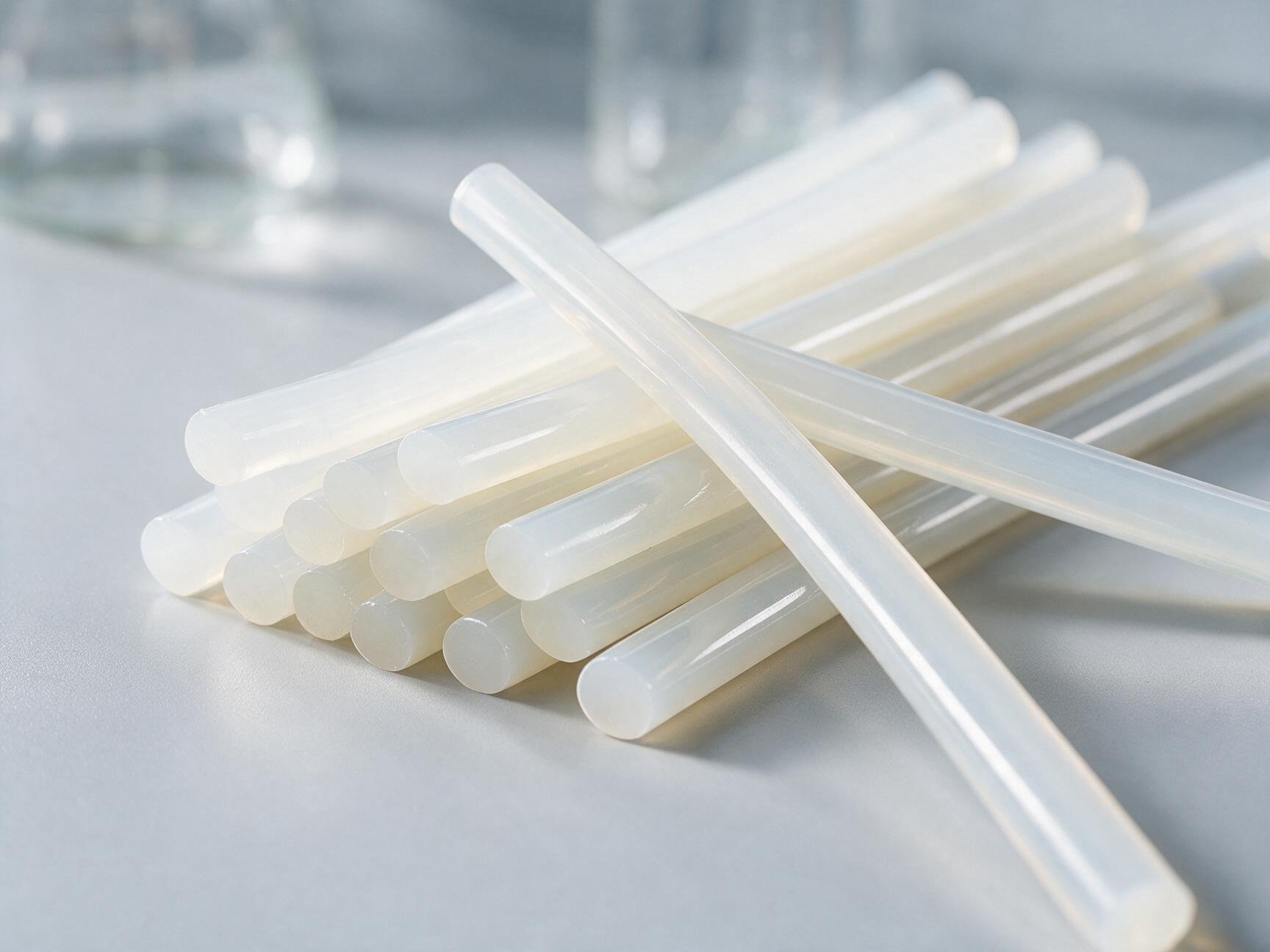
- Silicone sealant, hot-melt adhesive, butyl rubber: high viscosity, kneader required
- Battery slurry, masterbatch premix: medium-high viscosity, kneader or mixer both work
- Gum base, mastic: ultra-high viscosity, kneader mandatory
Step 2: Check batch size
- 100L - 3000L per batch: vertical or hydraulic tilting models
- 300L - 6000L per batch: horizontal bottom-discharge or screw-discharge models
- Continuous lines: bottom discharge integrates most easily with downstream equipment
Step 3: Check discharge requirement
- Material flows naturally: bottom discharge (low cost, high efficiency)
- Sticky high-viscosity material: screw discharge (high force, thorough unloading)
- Frequent product changeover: hydraulic tilting (easy maintenance and cleaning)
Summary
There is no "best" kneader - only the one that best matches your process. Provide material samples and process parameters for a trial-based selection.